Category: Uncategorized

  • The Mother I Remember: When Pain Distorts Personality

    The Mother I Remember: When Pain Distorts Personality

    I lost my mom way too soon. She succumbed first to breast cancer and then to esophageal cancer, and her last months were very rough.

    In her final year, we shared a moment I will never forget. It embodied the mom I loved so much — full of life, funny, and always up for a little adventure.

    Easter was approaching, and Mom was still strong enough for an outing. I took her to lunch — I don’t even remember where. The real story happened afterward.

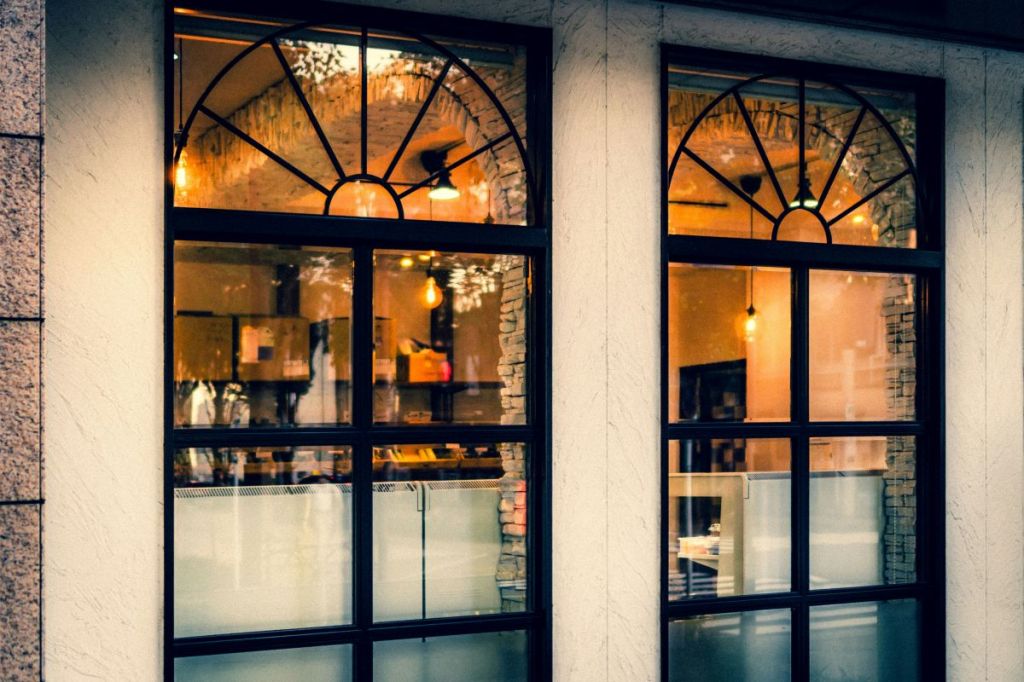
    We were strolling down the main street of her small town, admiring the shop windows dressed for the holiday. We came upon a lovely little tea shop — the kind I’d probably never buy anything from (too fancy for my taste), but so much fun to peer into.

    The shopkeeper had created an elaborate Easter display: delicate teacups and saucers, pastel eggs, elegant candies, and throughout the scene, chocolate bunnies adorned with bright silk ribbons.

    But here’s the catch.

    The California sun had been baking that window all morning. By the time we arrived, the poor bunnies were melting.

    Their ears drooped sadly to the sides of their heads. Their candy eyes had slid down their faces. They appeared to be sitting in pools of chocolatey collapse.

    My mother — sick as she was — started laughing. Hard.

    And I started laughing.

    And we could not stop.

    We crossed our legs, held our stomachs, bent over in convulsions. Tears streamed down our faces. We hugged each other and pointed wildly at the window so passersby would understand we hadn’t lost our minds.

    That only made it worse.

    The shopkeeper eventually came out and asked us to move along.

    We looked at each other — and burst into laughter again.

    Arm in arm, we walked down the street.

    Mom passed away seven months later.

    The illness escalated quickly, turning those last months into a bitter pill for all of us. Her pain intensified. Alcohol — mixed with milk to soften its burn — appeared more frequently, no longer waiting for a civilized cocktail hour.

    Mom became bitter. Angry. Hurtful words surfaced. She grew impatient with family, and visits with my children sometimes ended in tension. That, in turn, fueled my father’s own drinking, and life as we knew it shifted in ways we could not control.

    Illness changes people.
    Pain distorts personality.
    Addiction hijacks behavior.

    But one thing I am clear on now:

    The culprit was alcoholism. Not my mother.

    Before you blame someone in your distant past for your present wounds, remember — there is usually a back story.

    I’m not saying parents get a free pass.

    I’m saying context matters.

    Sometimes what harmed us wasn’t the person.
    It was what happened to them.

    Thankfully, I carry that Easter afternoon — and so many others — as proof of who my mother really was. She loved deeply. She laughed easily. Illness may have distorted her personality, but it never defined her.

  • The Black Butterfly: How Healing in Relationship Flows Both Ways

    The Black Butterfly: How Healing in Relationship Flows Both Ways

    Rochelle Sharpe’s article, Childhood Trauma Doesn’t Have to Be a Lifelong Curse, was a true eye-opener for me. I remember being flattened when I first read about the 1998 Adverse Childhood Experiences (ACE) study. When I learned that childhood trauma can increase risks of heart disease, cancer, addiction, and suicide, my heart sank. I winced, knowing that I had experienced ACEs as a child — and admittedly, so had my children.

    In Sharpe’s article, I learned that research now points to ways of mitigating these long-term effects. A new framework, Healthy Outcomes from Positive Experiences (HOPE), is “shifting the paradigm from what is the problem to what can I do about it.”

    The article goes on to say that “evidence has emerged showing the brain rewires itself after good as well as bad events.”

    Yes, ACEs increase risk — but perhaps they do not always determine destiny.

    That is my hope.

    Let me share with you a moment I witnessed — healing in action.


    A pile of flip-flops at the entrance to the rescue facility marks the beginning of another magical day. The sound of many tiny feet racing up the stairs signals the team: Go time.

    A small boy recognizes me from our first day and runs toward me, hand raised for a high five. I’m guessing he’s about six or seven years old. It’s hard to tell. The children are small for their age, often due to poor nutrition.

    He slaps my palm and looks into my eyes. The twinkle there tells me he’s curious about this white lady with blue eyes.

    His eyes are big and brown. What have those beautiful eyes seen? They divulge nothing. I smile so wide my cheeks ache.

    His mouth is slightly disfigured — perhaps a cleft palate and a rough repair. Tiny teeth appear in the most endearing smile I’ve ever seen, and my heart breaks.

    His T-shirt and shorts are filthy and smell of sweat, dirt, and pee. I want to hug him. Instead, I offer another high five.

    He doesn’t speak English, and I don’t speak his language, except for a few greetings. He seems perfectly content with this.

    “My name is Susan,” I say slowly, patting my chest. “What is your name?” I extend my hand toward him.

    He pokes my chin with a tiny finger and bursts into laughter.

    Unsure what to do next, I crouch down and begin counting his fingers. “One, two, three…” touching each fingertip as I go. He watches intently. “Ten!” I throw my hands in the air and shout, “Yahoo!”

    He jumps up and claps over his head.

    On our very first day, we found a way to bond. No language barrier here.

    Each day after that, I sought him out in the crowd. A dozen times or more, our eyes would meet across the room, and we would both smile and wave. When the older kids led songs and dances, he would watch me make a fool of myself and collapse into belly laughter.

    On the third day, I searched the room but couldn’t find him.

    My heart raced.

    Oh, God, please…

    Each afternoon, our team left the facility during our lunch time, climbed into a van, and drove into the surrounding area with staff members. We delivered 20-pound sacks of rice to impoverished families. One sack of rice might be enough to prevent a child from being sold into trafficking.

    The families lived in patchwork huts made from scraps of cardboard and sheet metal. One room at best. No toilets.

    And then I saw him.

    He was sitting with his family on a plastic tarp beneath an awning, receiving our greeting, prayers, and the rice.

    He smiled and waved. I waved back, hopping from one foot to the other to shake biting ants off my feet. It took everything in me not to scoop him up and run.

    Afterward, I watched him disappear into a doorless opening of a crumbling lean-to. I climbed into the back of the van and let the tears fall.

    On our last day, we stood in a single-file line, high-fiving each child as we said goodbye. The little ones ran. The older ones walked more slowly. We all had tears in our eyes.

    They knew.

    We knew.

    We might never see each other again.

    I felt as though a vice were tightening around my heart.

    My little guy came up and wrapped his arms around my legs. I bent down and returned his hug.

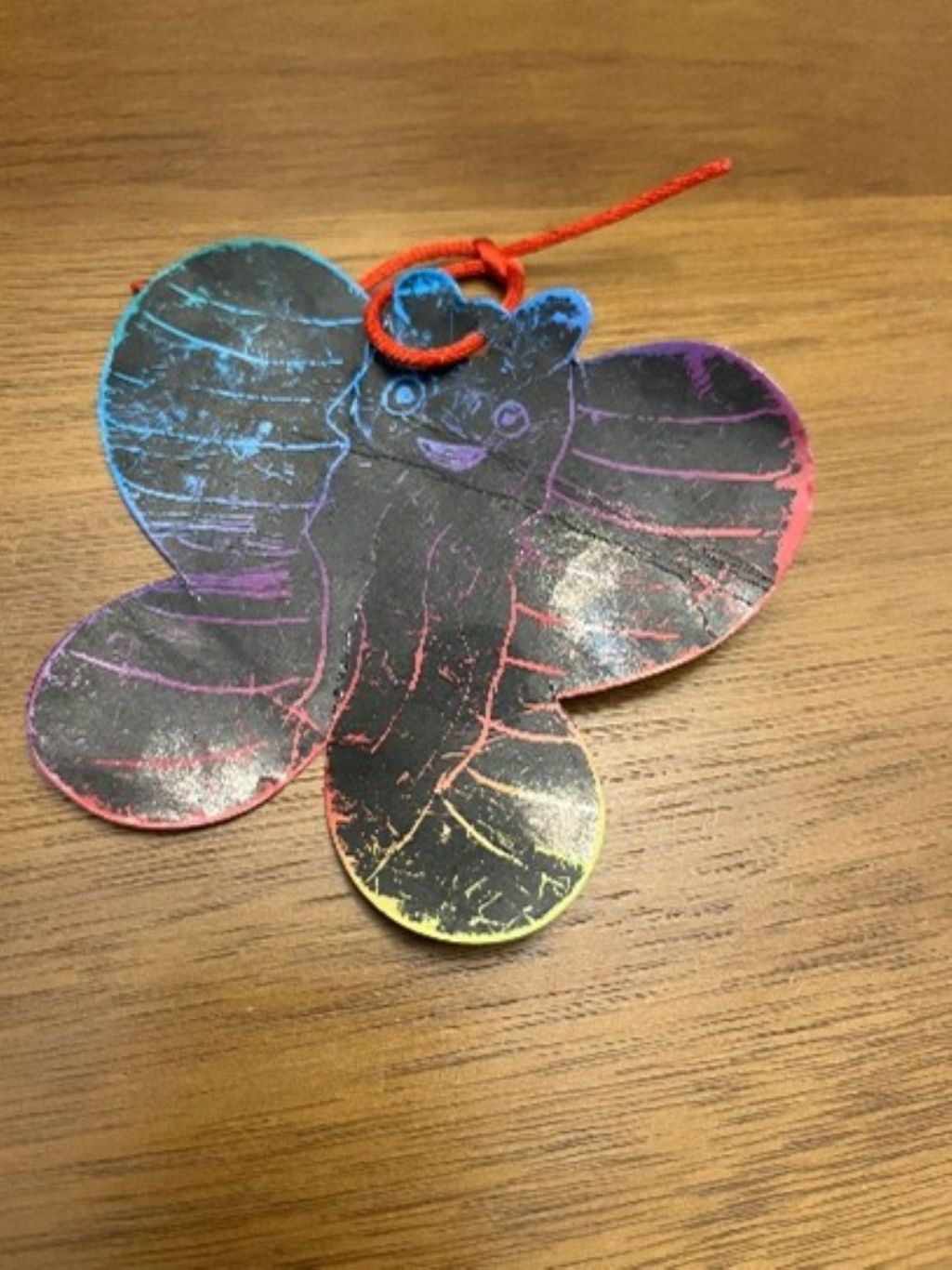
    With sparkling eyes, he gestured that he had a surprise for me. We had made butterflies that day, and he proudly pressed his into my hands.

    He had painted it completely black.

    It looked more like a bat than a butterfly.

    I will treasure it always.

    I pressed it to my heart. “Thank you. God bless you,” I whispered, wiping sweat and tears from my face with my sleeve.

    I don’t know what became of that little boy.

    But I know this:

    For ten days, he experienced consistency. Laughter. Safety. Touch that was not harmful. Adults who stayed.

    That is HOPE.

    I know he had known trauma. He had learned what harm in a relationship feels like.

    But for ten days, relationship meant something different.

    Steady adults matter. Safe love matters.

    Positive experiences matter.

    That is HOPE.

    We cannot erase a child’s ACE score.

    But we can add love.

    We can add safety.

    We can add a steady presence.

    And then another question began to rise in me.

    The HOPE framework speaks of positive experiences buffering toxic stress in children.

    What if those experiences buffer in both directions?

    What if healing in relationship is reciprocal?

    For ten days, I was needed. I was present. I wasn’t trying to prove anything or accomplish anything beyond love. We had been told our only job was to give these children a reason to hope.

    When that little boy pressed his black butterfly into my hands, something in me shifted.

    He was not the only one being rewired.

    Trauma occurs in relationship.

    Healing also occurs in relationship.

    And sometimes, the healing flows both ways.

    I don’t know where that boy is today. I don’t know what trauma he still carries.

    I only know that for ten days, we met each other in joy.

    And when he placed that black butterfly in my hands, I understood something I had not understood before:

    Love is never one-sided.

    We were both being changed.

    That is HOPE.

    You do not need to travel across the world to offer HOPE to a child. HOPE is created in ordinary moments — when we listen, when we stay, when we offer kindness without expectation. A steady teacher. A caring neighbor. A patient grandparent. A volunteer. A safe adult who shows up again and again. These positive experiences matter more than we may ever know. They shape the architecture of the developing brain. They soften fear. They restore trust. And sometimes, they heal something within us, too. Each of us has the power to become part of a child’s story of healing. We do not need special training to begin. We only need to be present, gentle, and caring.
  • For the Sake of the Children

    For the Sake of the Children

    “Consistent, nonjudgmental love transcends cultures.
    And when it does,
    something extraordinary can happen.
    We begin to see the child
    not only as a survivor,
    but as someone rising,
    someone remembering who she is,
    not who she was told to be.”

    Susan Ernst — Called to Serve, Standing with Survivors and Protecting Children Still at Risk.

    What I Have Witnessed

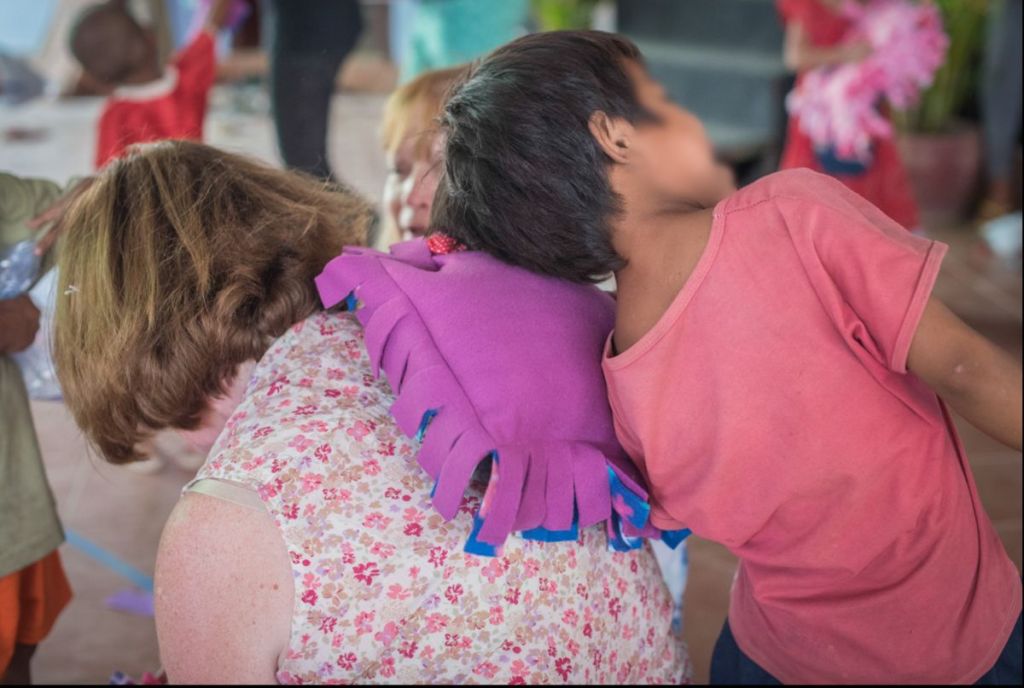
    Working with the children, one of the most surprising—and beautiful—things I witnessed was the profound healing that emerged through pure, simple joy. It wasn’t formal therapy or anything official. It was children laughing, running, being silly, and making up games. It was the small, ordinary moments when play took over, and worry loosened its grip, even if only for a little while.

    When we played together, you could see the change happening in real time. Faces lit up. Bodies softened. The heaviness lifted. It was as if their hearts remembered something essential—that they were still children, capable of happiness, still whole within themselves.

    I came to understand that play wasn’t merely a distraction.
    It was a form of medicine.
    Real medicine.

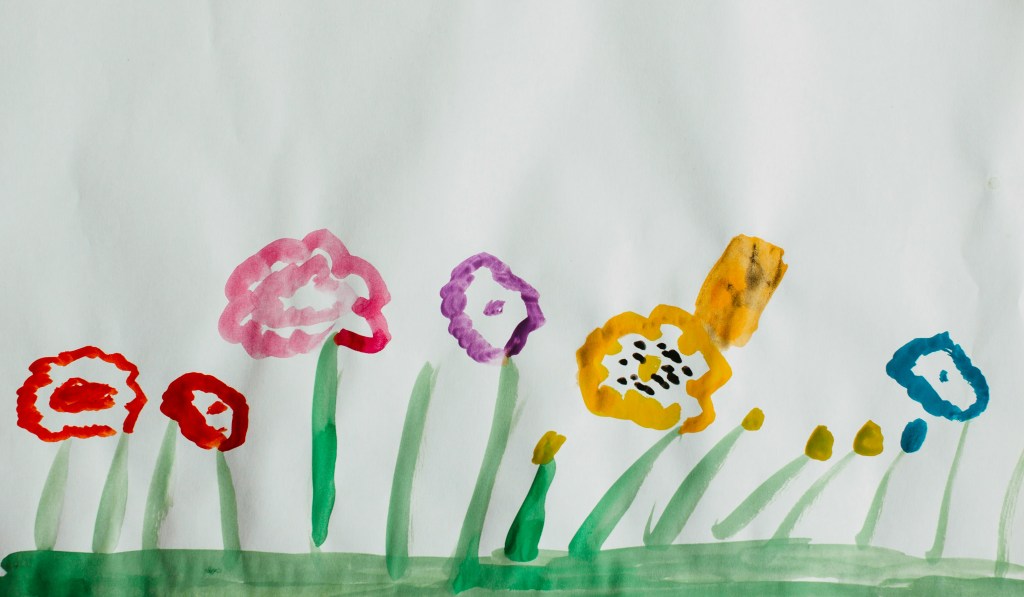
    When the children drew goofy pictures, raced one another, wrestled with adult volunteers, or sang at the top of their lungs, something deeper was happening beneath the laughter. They were letting go—bit by bit—of fear and tension they carried in their bodies. They were remembering what it felt like to trust, even tentatively. They were reconnecting with their natural creativity and silliness—the parts of themselves untouched by trauma.

    In those moments, they were also building new memories: memories of being safe, free, and loved.

    Often, the most healing moments were the messiest, noisiest, most ridiculous ones. Joy created space—wide, breathing space—for healing to take root in ways I never could have planned or predicted.

    I honestly believe that play is one of the purest forms of hope we have.

    And more recently, as I’ve had the privilege of getting to know and serve alongside survivors who have dedicated their lives to the fight against child abuse and trafficking, I’ve witnessed another kind of healing strength. A depth of resilience and grit that is hard to fathom, given what they have endured. These are not stories defined solely by harm, but by courage, resolve, and the fierce decision to protect others.

    These are the stories I want to share with you.

    What You’ll Find Here

    I’ll share personal stories and reflections drawn from my experiences working with children, survivors, and advocates committed to protection, healing, and hope. Some stories may be tender. Others may be difficult. When needed, I will include a disclaimer to let readers know that what follows may be uncomfortable to read. All stories are shared with the intention of fostering awareness rather than fear.

    You’ll also find reflections meant for parents, grandparents, educators, counselors, and anyone who cares about the well-being of children. I intend to offer perspective, insight, and encouragement—an invitation to notice, to listen, and to stay present to what children may be telling us, often without words.

    This space is grounded in truth-telling, compassion, and thoughtful dialogue. I believe that when we are willing to see clearly and respond with love, meaningful change becomes possible.

    Above all, this blog is an invitation to learn, to reflect, and to stand with children and survivors in ways that feel honest, human, and doable.

    An Invitation

    Perhaps something in these words stirred recognition, concern, or quiet resolve. Maybe you are carrying questions of your own—about children you love, stories you’ve heard, or moments you couldn’t quite make sense of at the time. You are welcome here.

    I offer reflection, witness, and a willingness to stay with what matters. This space is meant to be one you can return to—whenever you feel called.

    If you’d like to continue the conversation, you’re invited to subscribe and receive future reflections as they’re shared. There is no expectation and no obligation—only an open door.

    Thank you for being here. For caring. For choosing not to look away.

    For the sake of the children.