Tag: grief

  • The Grief of the Witness

    The Grief of the Witness

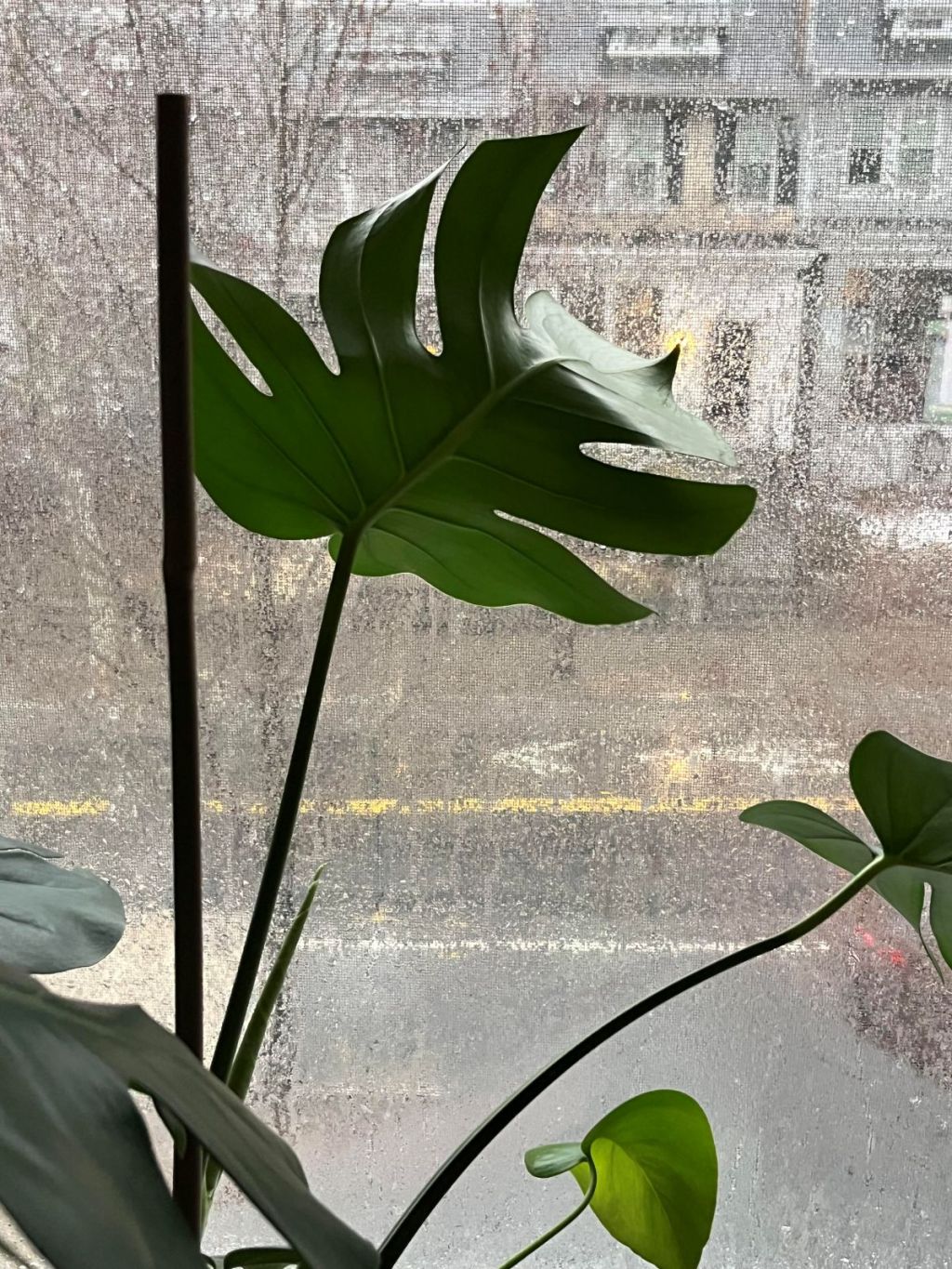
    I stood at the window this morning, wrapped in my bathrobe, a cup of steaming coffee in one hand. Heavy rain obscured the street below. Raindrops slid down the glass, one after another.

    God is crying for our crazy world,” I thought.

    “I wonder how they are doing now. Some of them have got to be in their twenties by now.”

    My eyes filled with tears of my own.

    The subject of trafficking and abuse is once again filling the headlines. People are debating. Arguing. Accusing.

    But this morning, I’m not thinking about the headlines.

    I’m grieving for the young survivors I met so long ago. I loved them then. I love them still. And I’m grieving for survivors everywhere who are quietly fighting to heal.


    What the Public Sees vs. What Survivors Live

    The public sees investigations, scandals, and courtroom scenes.

    Survivors live with memory, triggers, and nervous system responses.

    The news cycle will move on soon. Trauma does not.

    Grief often surfaces years after rescue. When survival mode finally quiets, grief rises.

    In survival mode, the body protects. Later, when safety comes, loss begins to be felt — lost childhood, lost trust, lost innocence, lost years.


    The Grief of the Witness

    My grief comes from knowing what should never have happened.

    It comes from understanding that healing can take a lifetime. From knowing that even when someone is safe, the story does not end there.

    There is a kind of grief that belongs to those who stand beside survivors. Not because they are broken — but because we know what was taken.

    And yet, I have witnessed healing.

    I have seen the power of love and play. I have stood in rooms alive with laughter — children reclaiming joy, even if only for an hour.

    That tells me healing is possible.

    And that strengthens my resolve.


    Why Language and Warnings Matter

    Part of that resolve is my writing.

    Stories of abuse can re-traumatize. Headlines alone can awaken buried pain. So I remind myself to speak carefully. Thoughtfully. With restraint.

    There are moments when outrage rises in me — when I want to shout what I know to be true.

    But love speaks differently than outrage.


    Grief and Hope Must Coexist

    Healing unfolds in its own time. There are breakthroughs and setbacks in no particular order. Healing often requires returning to what once overwhelmed us — this time with support.

    If you have ever loved someone who is healing — as a parent, therapist, teacher, advocate, volunteer, or friend — you may recognize this grief.

    It is the grief of the witness.

    Today’s headlines will fade.

    Healing will continue.

    And so will the love.

    And yes, the grief — not in despair, but in devotion.

    With love and hope,
    Susan

  • The Mother I Remember: When Pain Distorts Personality

    The Mother I Remember: When Pain Distorts Personality

    I lost my mom way too soon. She succumbed first to breast cancer and then to esophageal cancer, and her last months were very rough.

    In her final year, we shared a moment I will never forget. It embodied the mom I loved so much — full of life, funny, and always up for a little adventure.

    Easter was approaching, and Mom was still strong enough for an outing. I took her to lunch — I don’t even remember where. The real story happened afterward.

    We were strolling down the main street of her small town, admiring the shop windows dressed for the holiday. We came upon a lovely little tea shop — the kind I’d probably never buy anything from (too fancy for my taste), but so much fun to peer into.

    The shopkeeper had created an elaborate Easter display: delicate teacups and saucers, pastel eggs, elegant candies, and throughout the scene, chocolate bunnies adorned with bright silk ribbons.

    But here’s the catch.

    The California sun had been baking that window all morning. By the time we arrived, the poor bunnies were melting.

    Their ears drooped sadly to the sides of their heads. Their candy eyes had slid down their faces. They appeared to be sitting in pools of chocolatey collapse.

    My mother — sick as she was — started laughing. Hard.

    And I started laughing.

    And we could not stop.

    We crossed our legs, held our stomachs, bent over in convulsions. Tears streamed down our faces. We hugged each other and pointed wildly at the window so passersby would understand we hadn’t lost our minds.

    That only made it worse.

    The shopkeeper eventually came out and asked us to move along.

    We looked at each other — and burst into laughter again.

    Arm in arm, we walked down the street.

    Mom passed away seven months later.

    The illness escalated quickly, turning those last months into a bitter pill for all of us. Her pain intensified. Alcohol — mixed with milk to soften its burn — appeared more frequently, no longer waiting for a civilized cocktail hour.

    Mom became bitter. Angry. Hurtful words surfaced. She grew impatient with family, and visits with my children sometimes ended in tension. That, in turn, fueled my father’s own drinking, and life as we knew it shifted in ways we could not control.

    Illness changes people.
    Pain distorts personality.
    Addiction hijacks behavior.

    But one thing I am clear on now:

    The culprit was alcoholism. Not my mother.

    Before you blame someone in your distant past for your present wounds, remember — there is usually a back story.

    I’m not saying parents get a free pass.

    I’m saying context matters.

    Sometimes what harmed us wasn’t the person.
    It was what happened to them.

    Thankfully, I carry that Easter afternoon — and so many others — as proof of who my mother really was. She loved deeply. She laughed easily. Illness may have distorted her personality, but it never defined her.